Application review

Where tube hydroforming may fit your part

Hydroforming can be useful when a hollow part needs changing cross-sections, local expansion, or fewer welded sub-parts. Send the current drawing or a sample; ShuiYiYuan will review whether the process is practical and which project stage should come next.

Application areas

Application areas we can review

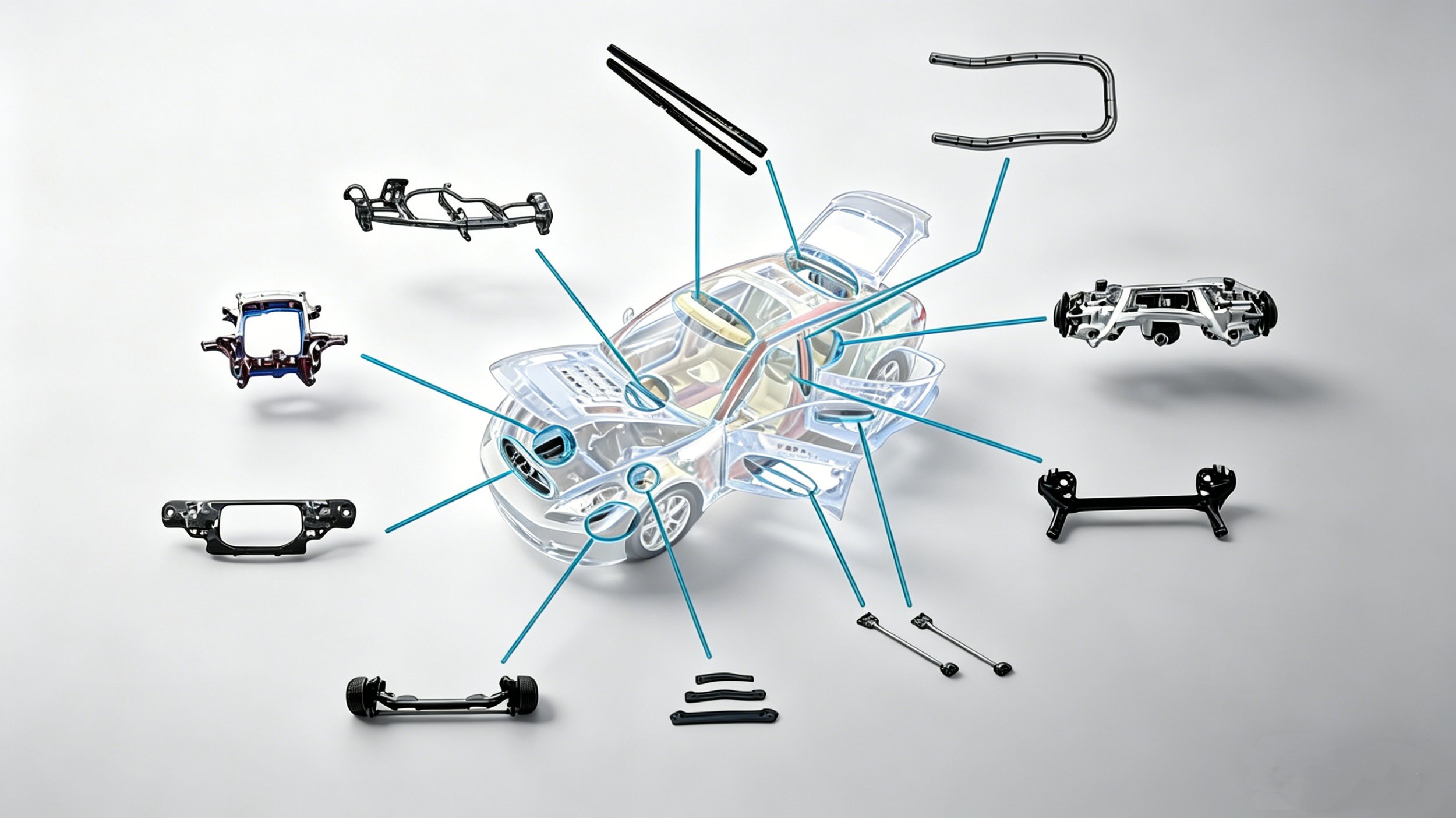
Automotive hydroforming component applications
Automotive Components

Automotive hollow components

ShuiYiYuan has project experience with exhaust components, chassis and body structures, seat frames, and instrument-panel crossmembers. Each new part is reviewed against its own drawing and input conditions.

View automotive hydroforming
Two-wheeler and transportation hydroforming applications
Two-wheeler & Transportation

Frames and formed hollow supports

Frame members, head tubes, connectors, and shaped hollow supports can be reviewed where the drawing requires local expansion or a controlled section change.

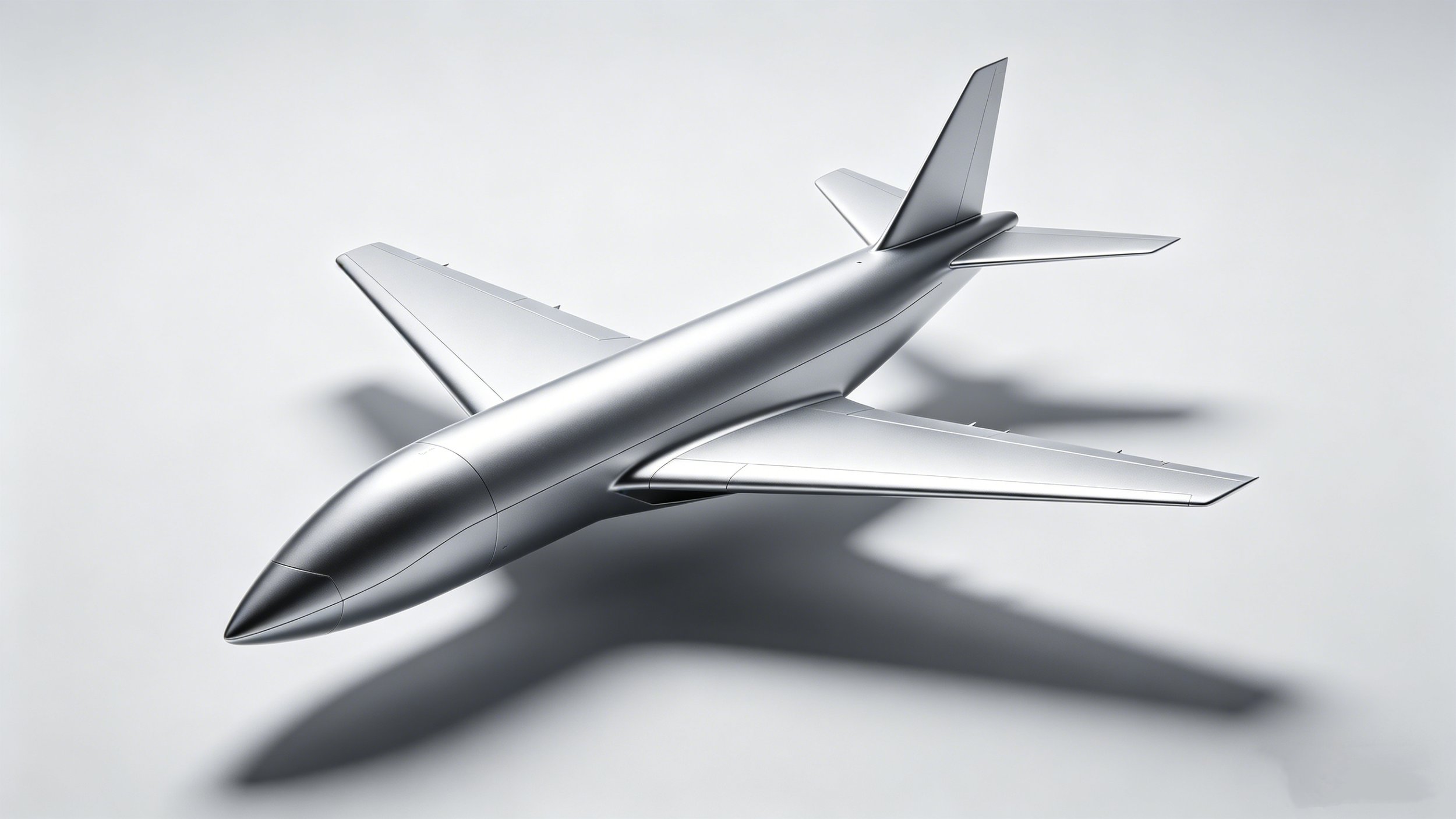
Aircraft components and lightweight hollow structures for hydroforming review
Aircraft Components

Aircraft parts and lightweight hollow structures

Aircraft hollow structures and lightweight alloy parts are reviewed against the drawing, material condition, tolerances, traceability, inspection, and any program-specific requirements.

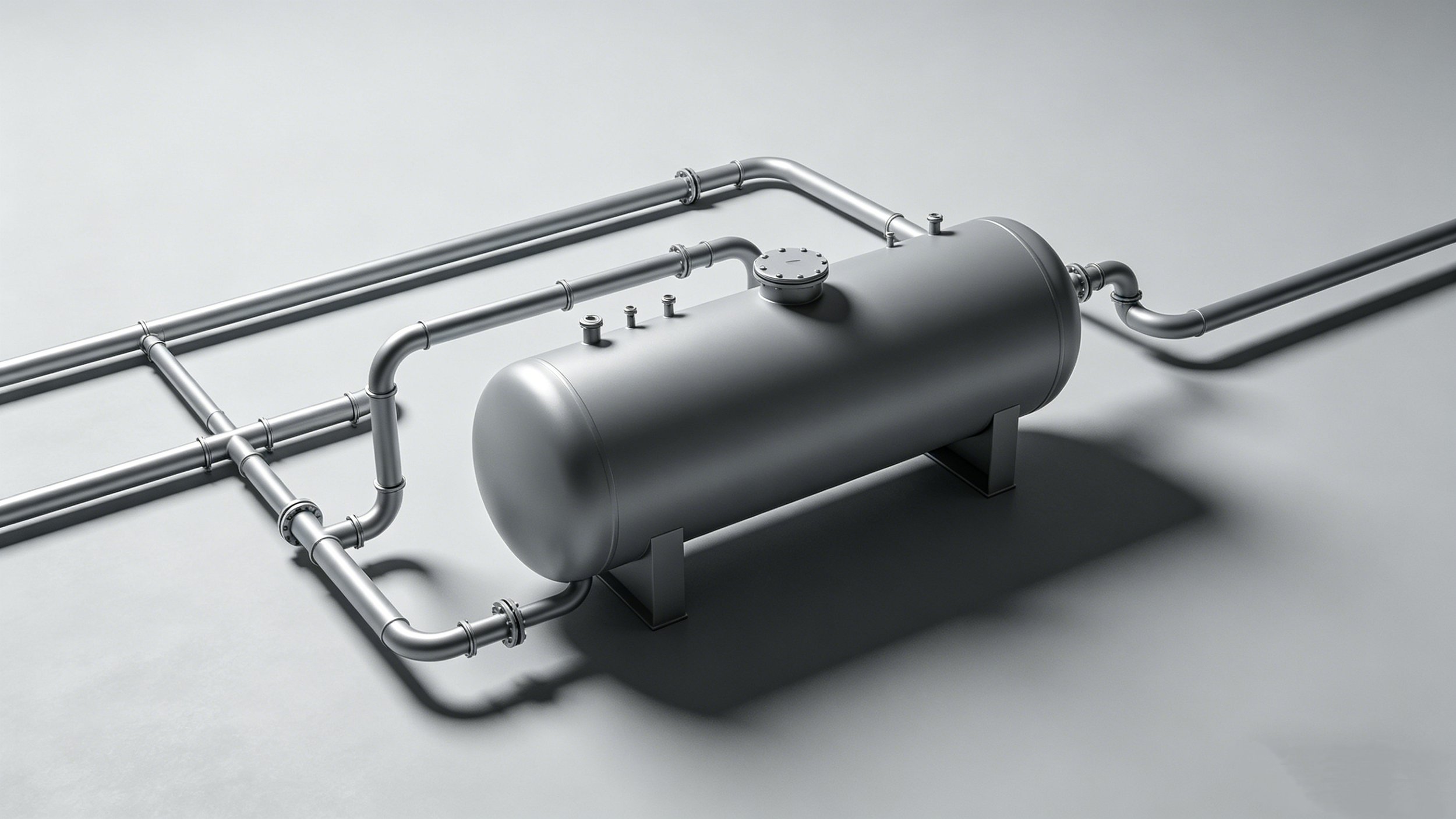
Formed components for fluid and industrial piping applications
Fluid & Industrial Piping

Shaped tubes for fluid and industrial equipment

Special tees, elbows, reducers, and other shaped tube sections can be reviewed where hydroforming creates the required local geometry. Pressure rating, leak-rate testing, and system validation remain separate requirements.

Robot housing hydroforming applications
Robotics & Automation

Hollow housings and structural members

Hollow housings, frame members, and shaped supports can be submitted for process review. Suitability is decided from the part geometry, material, interfaces, and production requirements.

Part Features

Part features worth reviewing

01

Bent tubes with local formed features

02

Integrated hollow parts with changing sections

03

Closed hollow sections with complex local geometry

04

Structures being evaluated to reduce welded sub-parts

Materials

Materials used in confirmed projects

Grade, condition, seam, tube dimensions, and the 2–6 mm incoming wall-thickness range still need to be checked against the drawing. The list below does not mean that every grade and geometry combination is production-ready.

Carbon Steel Q235 / Q355 High-strength Automotive Steel Stainless Steel 304 / 316L Aluminum Alloy Copper Alloy Iron Titanium Alloy Precious Metals: Gold / Silver

Send Drawing